insider tips for selecting the perfect stud finder tool
Finding studs behind your walls is essential for a successful DIY project, whether you are hanging shelves, mounting a television, or installing cabinets. Choosing the right stud finder can make this task straightforward and efficient. With numerous options available in 2026, understanding the features and functions of stud finders can greatly enhance your home improvement efforts. Here are some insider tips to guide you in selecting the perfect stud finder tool.
Understand the Types of Stud Finders
There are several types of stud finders, each with unique mechanisms to locate studs. The most common types are magnetic, electronic, and multi-scanning stud finders. Magnetic stud finders use magnets to detect screws or nails in the wall, making them quite affordable and easy to use. However, they may not be as precise in locating the exact centre of a stud.
Electronic stud finders utilise sensors to detect changes in the density of the wall, providing a more accurate reading of stud locations. Some advanced models come equipped with screens that display the location of studs as well as any electrical wiring or pipes behind the wall. Multi-scanning stud finders combine both magnetic and electronic technologies, giving users the most comprehensive information.
Consider the Features
When selecting a stud finder, consider the features that will best suit your needs. Look for a model that offers a deep scanning mode if you need to detect studs in thicker walls, such as those with insulation. This feature is particularly beneficial for those tackling older homes with irregular wall structures.
People Also Look For:
- DRZHEAM Super Powerful Rare Earth Magnet, 25000Gs Strong Magnet, Commercial Use Silver, Package Include Fixing Screw Set
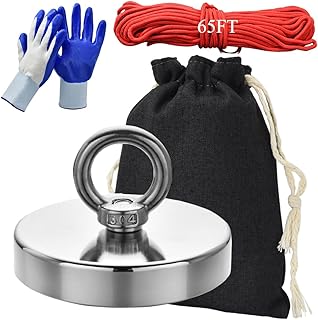
- THCMAG Magnet Fishing Kit - 1000LBS Combined Pulling Force Double Sided Neodymium Rare Earth Magnet 600LBS Fishing Magnet with Rop...
- Strong Neodymium Fishing Magnets 95 LBS(43 KG) 1.26\\\'\\\'/32mm Diameter Heavy Duty Rare Earth Magnets with Eyebolt for Magnetic ...
- Fishing Magnets, 90 KG(200 LB) Pulling Force Strong Magnet Fishing, Neodymium Rare Earth Magnet with Lifting Eye-Bolt, Super Stron...
- THCMAG Magnet Fishing Kit - 1000LBS Fishing Magnet Double Sided Neodymium Rare Earth Magnet Combined Strength Strong Retrieval Mag...
Another great feature to look for is an integrated display. A clear LCD screen that shows visual indicators can be incredibly helpful, especially for beginners. Some advanced models also provide audio signals or vibrations to alert you when a stud is detected.
Check for Additional Functionality
Modern stud finders often come with additional functionalities that extend their usefulness. For instance, some models can detect live electrical wires, helping you avoid potential hazards while working. This feature is invaluable for DIY enthusiasts who may not have extensive electrical knowledge.
Another useful addition is a built-in level. This makes it easier to ensure that your installations are straight and properly aligned, thereby enhancing the overall quality of your projects.
Evaluate the Price Range
Stud finders come in a variety of price ranges, from basic models starting around 10 to high-end units exceeding 100. Evaluate your needs and the frequency of use to determine what fits your budget. If you are a casual DIYer, a simple magnetic or basic electronic stud finder will suffice. However, for professionals or serious hobbyists, investing in a more advanced model may be worthwhile in the long run.
Read Reviews and Ratings
Before making a purchase, take the time to read customer reviews and ratings. This can provide insight into the performance and reliability of different stud finders. Look for patterns in feedback regarding ease of use, accuracy, and durability. Websites that specialise in DIY tools often have comparison charts that can make this process easier.
Test Before You Buy
If possible, visit a local hardware store and try out a few stud finders to see how they feel in your hand. Pay attention to the weight, grip, and overall design. Some models may be more intuitive than others, making them easier to use during a project. Testing a few options can help you make a more informed decision.