frequent pitfalls when using a stud finder the right way
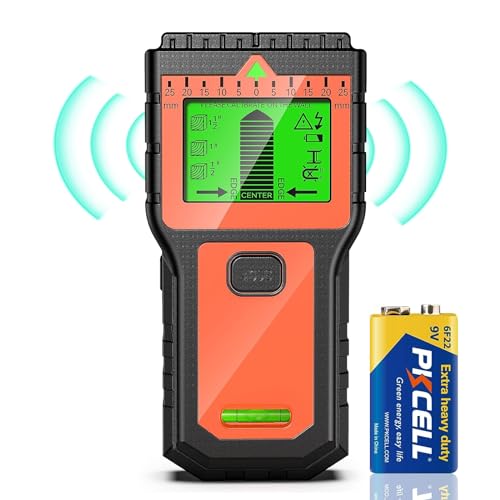
In the world of DIY and home improvement, a stud finder is an essential tool that helps locate wooden or metal studs behind walls. However, using a stud finder effectively requires some knowledge and finesse. Many users encounter frequent pitfalls that can lead to inaccurate readings and frustration. In this article, we will explore these common mistakes and provide practical advice to ensure you can use your stud finder with confidence and accuracy.
Not calibrating your stud finder
One of the most critical steps before using a stud finder is calibration. Many users neglect to follow this step, which can result in erroneous readings. Most stud finders come with a calibration button which you should press before scanning the wall. This process adjusts the tool to the specific wall density and helps it differentiate between studs and other materials. Always start by calibrating on a flat, undisturbed section of the wall, as failing to do so can lead to false positives or missed studs.
Ignoring the wall type
Different wall types can significantly affect the performance of a stud finder. For instance, drywall behaves differently than plaster or wood paneling. Users often assume that the same technique will work on different surfaces, which is not the case. Some stud finders are specifically designed for drywall, while others can handle various materials. Always check the specifications of your tool and ensure you are using it in accordance with the type of wall you are scanning.
People Also Look For:
- 2 Pack Round Neodymium, Strong Neodymium Magnets, 0.95inch (25mm) Strong Magnets Heavy Duty 17kg, Rare Earth Magnet, Industrial Ma...
- MIN CI 2 Pack Round Neodymium Magnets, Strong Magnets Heavy Duty 45kg(99lbs)Magnet Fishing 32mm Rare Ear...
- Clianle Strong Fishing Magnet Rare Earth Magnets Fishing Kit with 20m(64 Ft) Durable Rope for Fishing and Magnetic Recovery Salvag...
- Neosmuk Fishing Magnet, 500 lb+ Giant Rare Earth Magnet with Rope, Large and Big 2.5 inches Diameter Disc Magnetic Fishing Kit for...
- Neosmuk Fishing Magnet, 500 lb+ Giant Rare Earth Magnet with Rope, Large and Big 2.5 inches Diameter Disc Magnetic Fishing Kit for...
Using the wrong scanning mode
Many stud finders come with multiple scanning modes, such as standard, deep scan, or metal scan. Failing to select the appropriate mode can lead to inaccuracies. For example, if you are working on a wall with thick framing, using the standard mode may not penetrate deeply enough to identify the stud. Always review the user manual for your specific stud finder to understand which mode to use for the task at hand.
Moving the tool too quickly
Pacing is essential when using a stud finder. A common mistake is moving the tool too quickly across the wall. This can prevent the device from picking up the signals it needs to locate the studs accurately. Take your time and move the stud finder slowly, allowing it to register the changes in density as you glide over the surface. A slow, steady hand will yield the best results.
Failing to mark the studs accurately
Once you have located a stud, it is essential to mark it accurately so you can refer back to it later. Many users make the mistake of not marking the stud properly, leading to confusion during installation or drilling. Use a pencil or a notepad to make a clear mark on the wall, and be sure to mark both edges of the stud to know its width. This will help you avoid mistakes when attaching shelves or fixtures.
Not verifying with multiple scans
Relying solely on a single scan can lead to oversights. It is important to double-check your findings by scanning the same area multiple times. If your stud finder indicates a stud in one scan, run the tool over the same area again to confirm its accuracy. Doing so can help you catch any inconsistencies and ensure you have the right placement for your mounting needs.
Neglecting to check for wiring and plumbing
Before you drill into a wall to install brackets or fixtures, it is vital to be aware of potential hazards like electrical wiring or plumbing. Many stud finders also come equipped with wire detection features, but relying solely on this can lead to disaster. Always assume there could be wiring or plumbing behind the wall and take precautions, such as using a wire detector or consulting a professional for more complex installations.