beginners guide to mastering your stud finder technique
Using a stud finder can transform the way you approach home improvement projects, allowing you to securely mount shelves, frames, and other fixtures on your walls. Whether you are a seasoned DIY enthusiast or a novice just starting your journey, mastering the technique with a stud finder will save you time and help you achieve professional results.
Understanding Different Types of Stud Finders
Before diving into techniques, it is essential to understand the different types of stud finders available on the market. The two primary types are magnetic and electronic stud finders. Magnetic stud finders use magnets to locate screws or nails in the wall, which can be a straightforward and cost-effective choice. On the other hand, electronic stud finders use sensors to detect changes in density within the wall, making them more versatile and accurate. Familiarise yourself with the specific type you have, as each will have different instructions and capabilities.
Preparing Your Workspace
Once you have selected your stud finder, prepare your workspace for optimal results. Start by clearing the area around the wall you intend to work on. Remove any decorations, furniture, or obstructions that may hinder your ability to move freely and access the wall surface. Ensure the wall is clean and dry; dust and moisture can interfere with the accuracy of your stud finder. Additionally, consider using a flashlight if you are working in a dimly lit area, as this can help you spot the tool’s indicators more easily.
People Also Look For:
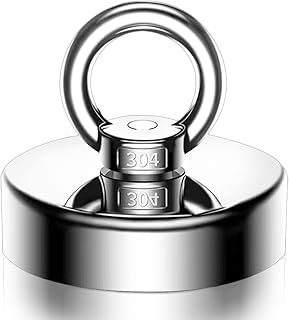
- Strong Neodymium Fishing Magnets 95 LBS(43 KG) 1.26\\\'\\\'/32mm Diameter Heavy Duty Rare Earth Magnets with Eyebolt for Magnetic ...
- MIN CI 2 Pack Round Neodymium Magnets, Strong Magnets Heavy Duty 45kg(99lbs)Magnet Fishing 32mm Rare Ear...
- Strong Neodymium Fishing Magnets 95 LBS(43 KG) 1.26\\\'\\\'/32mm Diameter Heavy Duty Rare Earth Magnets with Eyebolt for Magnetic ...
- THCMAG Magnet Fishing Kit - 1000LBS Combined Pulling Force Double Sided Neodymium Rare Earth Magnet 600LBS Fishing Magnet with Rop...
- MIN CI 48mm Extra Strong Magnets, Neodymium Magnets Heavy Duty 85kg(187lbs)Round Magnet Fishing, Rare Ea...
Calibration Is Key
Most electronic stud finders require calibration before use. To do this, place your stud finder flat against the wall and press the calibration button, if available. This step ensures that the tool is accurately reading the wall’s density. If you skip this step, you may receive false readings, leading to frustration and potentially damaging your walls. Always consult the instructions for your specific model, as the calibration process may vary.
Techniques for Locating Studs
Now that you are prepared, it is time to locate the studs. Begin by lightly running the stud finder horizontally across the wall, keeping it level and flat against the surface. As you move, listen for audible signals or watch for indicator lights that will inform you when a stud is detected. Some stud finders provide a visual guide, showing where the edges of the stud are, while others may simply indicate when a stud is found. If your stud finder only detects one edge, remember to continue moving the tool to locate the opposite edge to determine the centre of the stud accurately.
Marking the Studs
Once you have located a stud, use a pencil to mark its position on the wall. It is advisable to mark the centre of the stud, as this is where you will want to drill or drive screws for maximum stability. For further accuracy, consider marking a second reference point about 16 inches to the left or right of the first mark. Most studs in residential homes are spaced 16 inches apart on centre, so this can help guide you in locating additional studs with fewer measurements.
Testing Your Findings
After marking, it is wise to double-check your findings before making any holes. Use a small drill bit or a nail to tap lightly into the wall at the marked locations. If you hit resistance, you have likely found a stud. If not, recheck with your stud finder and adjust your markings as necessary. This step saves you from unnecessary repairs and ensures that your projects are secure.